Buying a home is a big decision, and it is normal to worry about whether you are making the right choice. Most home buyer regret comes from things buyers did not notice, ask about or think through early on.
You want to love your home long after move-in day. When touring homes, look beyond finishes and staging and pay close attention to issues that could affect your comfort, safety and budget over time. These are often the things that matter most once the excitement of buying wears off.
Major Systems and Structure
A home’s major systems and structure form the foundation of its safety and long-term affordability. Problems in these areas are often expensive to fix and can turn a dream home into a financial strain if they are missed early on.
- Roof, HVAC and windows: Ask about the age of each. Older systems may still work, but could need replacement sooner than you expect.
- Foundation: Look for uneven floors or visible cracks. These can indicate settling or movement that may worsen over time.
- Plumbing: Does it work? Watch for slow drains, water stains or signs of past leaks.
- Electrical: Older wiring, including knob and tube, often needs updating to meet modern safety standards.
Water Damage and Pests
Water and pest issues are common causes of homeowner regret because they can be hidden and expensive to address. Even small warning signs can point to larger problems below the surface.
- Water damage: Look for discoloration, rings, warped materials and musty odors.
- Drainage and gutters: Poor drainage can allow water to collect near the home and lead to damage.
- Mold: Visible mold or persistent damp smells can signal ongoing moisture problems.
- Crawlspace and attic: Make sure to check these areas as they can reveal termites, rodents or excess moisture that are not visible elsewhere.
Paperwork and Home History
Understanding a home’s history can help you avoid legal or financial surprises after closing. Asking the right questions upfront can save time, stress and money later.
- Permits: Confirm that any additions or renovations were completed with proper permits.
- HOA: Determine whether the home is part of a homeowners association and review the rules and fees.
- Liens: Make sure there are no outstanding liens tied to the property.
Location and Surroundings
Location affects daily life just as much as the home itself, and is something you cannot change after you move in. Taking time to evaluate the surrounding area can help ensure the home fits your lifestyle.
- Commute: Consider travel time to work, school and essential services.
- Schools: Research nearby schools if they are relevant to your household.
- Noise: Pay attention to traffic, airports or railroads and neighborhood activity.
- Neighborhood: Get a feel for the area and review local crime reports.
- Flood zone: Check whether the home is located in a flood-prone area.
Everyday Comfort Details
The way a home functions day to day plays a big role in long-term satisfaction. Small layout and space decisions can become daily frustrations if they do not match how you live.
- Number of bedrooms and bathrooms: Make sure the home fits your current needs and allows for the future.
- Single-story or multi-story: Think about accessibility and long-term comfort.
- Layout: Consider how the rooms flow and whether the space feels practical. For example, do you prefer having your laundry near the bedrooms?
Tips Before You Decide
Slowing down the process can help you notice things that are easy to miss during a first visit.
- Tour the home more than once.
- Visit at different times of the day and go on a rainy day if possible.
- Bring a trusted friend or family member.
Choosing the right home means balancing how it feels today with how it will work over time. Paying attention to major systems, location and everyday comfort can help you make a more confident decision.
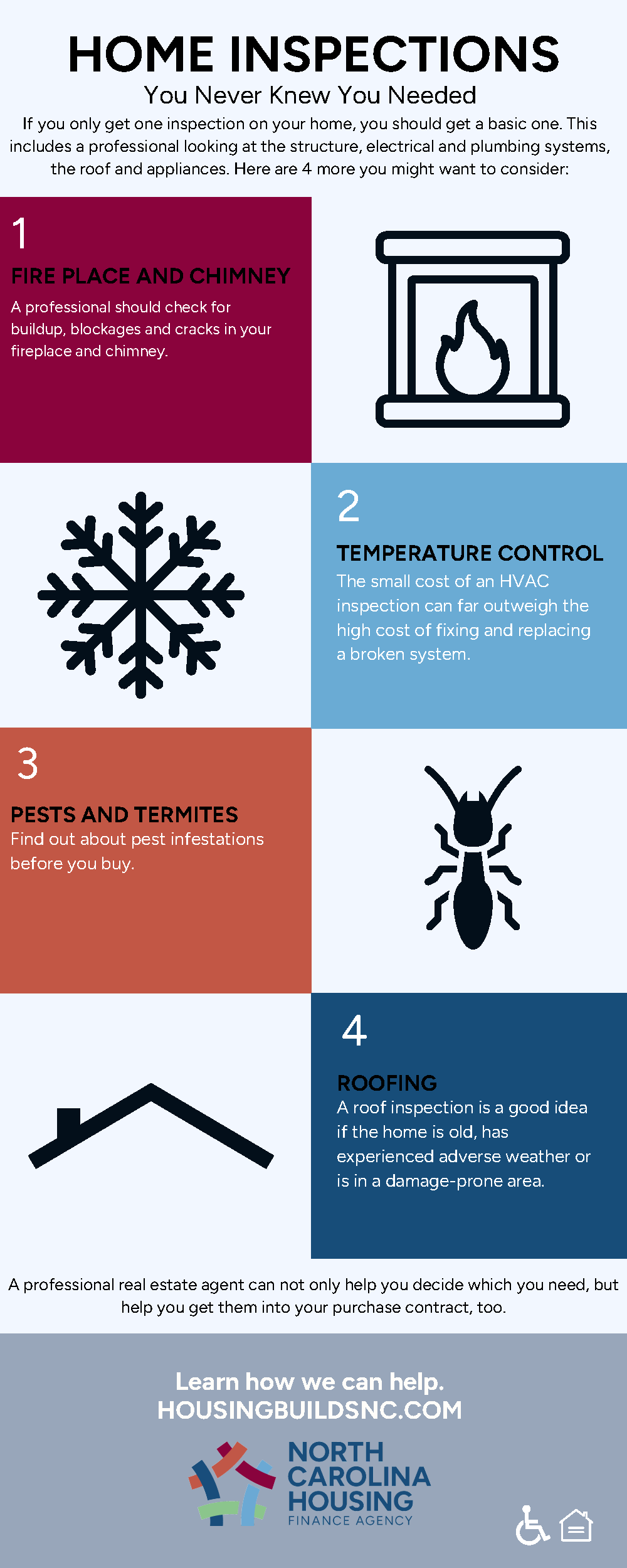
Don’t forget to work with professionals who can help protect that decision. A home inspection is a key step and not a place to cut corners. An inspector can help identify damage, needed repairs and potential issues so you understand what you are buying before you commit. A housing counselor can help you understand costs and responsibilities and a knowledgeable real estate agent can help guide you through the process. Taking these steps now can help you love your home for years to come.